Estate Planning for Seniors

Even though nearly half of Americans age 55 or older acknowledge that estate planning is important, few have wills, powers of attorney, or health care directives. These documents help guide your representatives to provide the end-of-life wishes you seek. Estate planning also reduces the family burden and stress caused by conflict among family members after […]
Risks Involved with DIY Wills

You can name a personal representative (executor) in your will to carry out your wishes after you pass away. When your will is properly filled out, it will address who will inherit your assets and properties. In addition to asset distribution, your executor makes a public notice of your death, files your final taxes, and […]
Having A Will Is Imperative
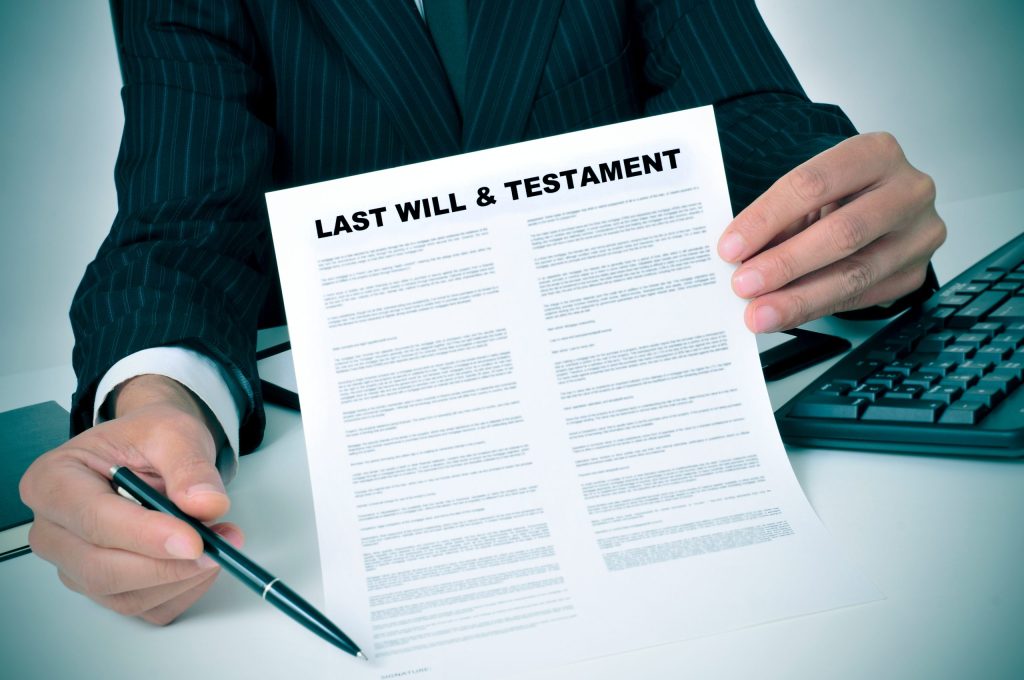
A last will and testament specify how your property will be distributed when you die, as well as how your dependents will be provided for. It is wise to create a will for your peace of mind and your loved ones’ protection if you have people, you love and care about. Though writing your will […]
Including A Personal Property Memorandum in Your Will or Trust

It is not uncommon for family members to argue over dad or mom’s favorite items after their death. Disputes can occur over things such as a coffee mug, jewelry, or a painting. Filling out a personal property memorandum and keeping it with your will or trust will eliminate these types of arguments. A personal property […]
What is a Will?
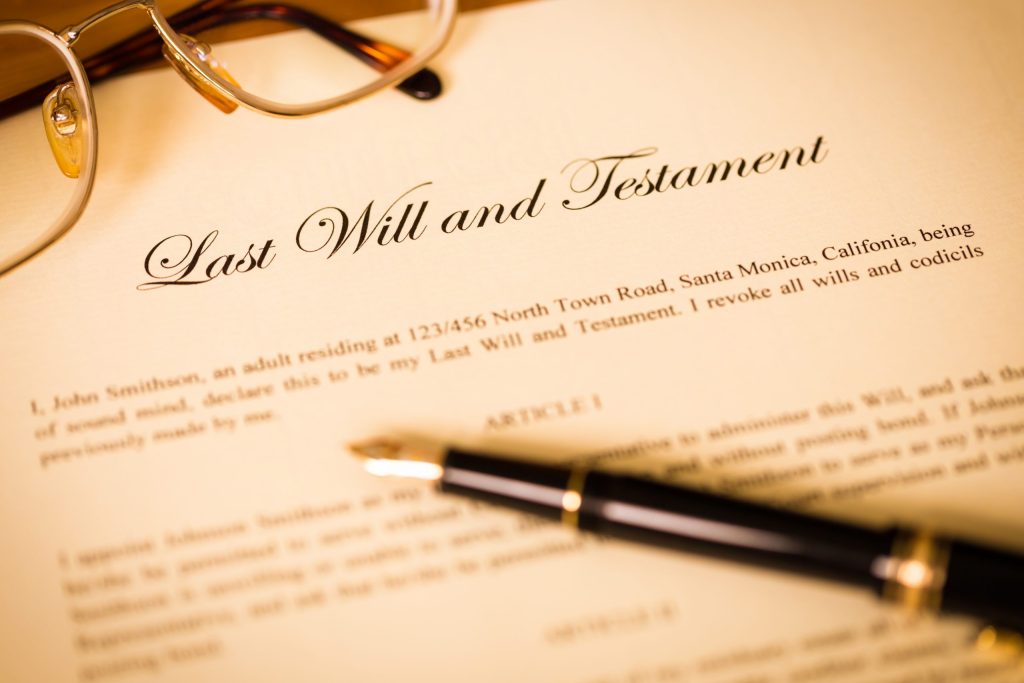
A will is a legally binding document stating who will receive your personal property upon your death and is an important part of a comprehensive estate plan. If you die without a will (intestate), the state will distribute your assets and property via state law and quite possibly at odds with your wishes. Having a […]
Estate Planning for the LGBTQIA+ Community

To protect our loved ones and our assets, estate planning is important to any individual regardless of orientation. In the LGBTQIA+ community, estate planning can legally protect against discrimination even if others are reluctant to recognize your relationship and your desire to permit your partner to make decisions for your care should you become unable […]
Understanding the Probate Process

Probate is the legal process for authenticating a deceased person’s will, reviewing their assets, paying their outstanding debts and taxes, and distributing what remains to their inheritors. After an asset-holder dies, the court will appoint a valid will’s executor to administer the probate process. In the absence of a will, the court will appoint a […]